
Safe delivery of wooden products across Europe within 15 working days.
Read more


A wooden garden shed is more than just a place to store tools, bicycles, or outdoor furniture, it can also become a standout feature in your backyard. To ensure your shed remains durable, weather-resistant, and fully functional for years to come, it’s essential to plan carefully, choose the right location, and prepare the foundation before assembly.
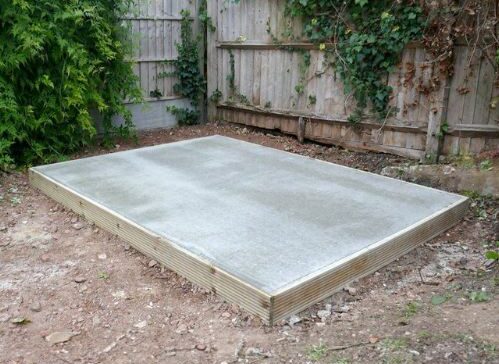
Choosing the right location for your garden shedOne of the most important steps when building or buying a garden shed is selecting the proper location. Look for an area that is level, stable, and well-drained to prevent water accumulation. Avoid low-lying spots, as standing water can lead to wood rot or structural distortion over time. Common shed foundation options include concrete slabs, paving stones, screw piles, or pressure-treated timber frames. No matter the foundation type, the base must be flat, solid, and moisture-resistant to provide long-term stability for your shed. |
 |
|
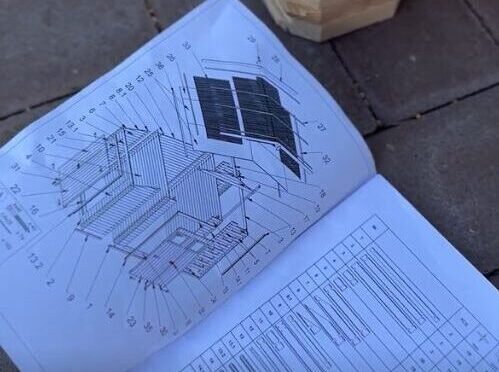 |
Checking the assembly instructions and kit contentsBefore you begin your garden house assembly, take time to thoroughly read the instruction manual. Even if the construction appears simple, reviewing the steps in advance helps prevent mistakes, saves time, and ensures a smoother installation process. Once your shed kit arrives, inspect all components immediately: wall panels, roof parts, doors, windows, screws, fixings, and any included accessories. If anything is missing or damaged, contact your supplier promptly to avoid delays. |
|
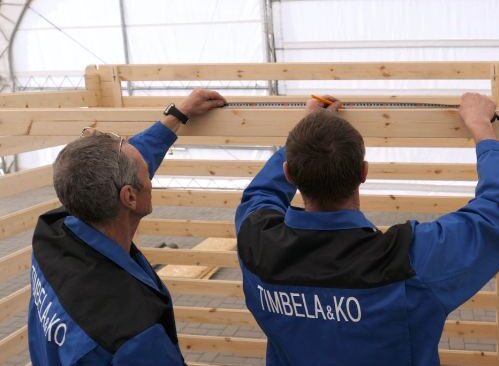
Preparing the tools and workspaceGather essential tools: spirit level, measuring tape, rubber mallet, electric screwdriver, ladder. Prepare a clean, clutter‑free, well‑lit workspace. It’s best to work with a partner for quicker, safer, and more accurate assembly, especially when installing walls or roof panels. Ensure your work area is clear, level, and well-lit. Ideally, assembly should be done by two people, especially when handling larger panels or installing the roof. Working in pairs increases safety and precision. |
 |
|
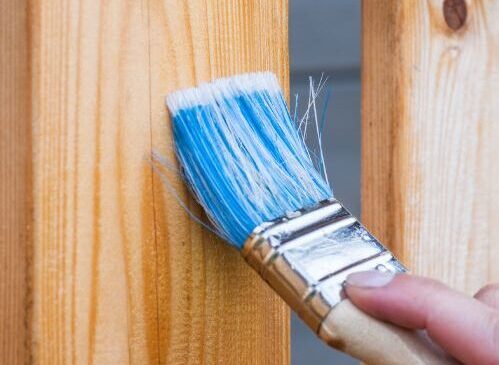 |
Wood treatment and roof protectionIf your shed panels are not pre-treated in the factory, apply a wood preservative before assembly. Focus on the joints, edges, and panel ends, these are most vulnerable to moisture. Treating the wood in advance protects against mold, woodworm, rot, and insect damage, significantly extending the shed’s life. To enhance the durability and waterproofing of your house roof, consider installing bitumen roofing shingles. These are easy to fit, visually appealing, and provide extra protection from UV rays, rain, and heat. A high-quality roof covering also reduces noise from rain and helps your shed maintain its structure over time. |
A successful wooden garden shed installation begins with a solid base, a well-chosen location, and thorough preparation. With proper treatment, reliable tools, and thoughtful assembly, your shed will serve as a functional and attractive part of your garden for many years.


